2026.04.17
Unbekannt Duchamp Exhibitions in a Virtual Museum
   
Stephen Lauf Virtual Museum 134 2003.09.07
   
Stephen Lauf Virtual Museum 135 2003.09.07
   
Stephen Lauf Virtual Museum 136 2003.09.07
2025.04.17
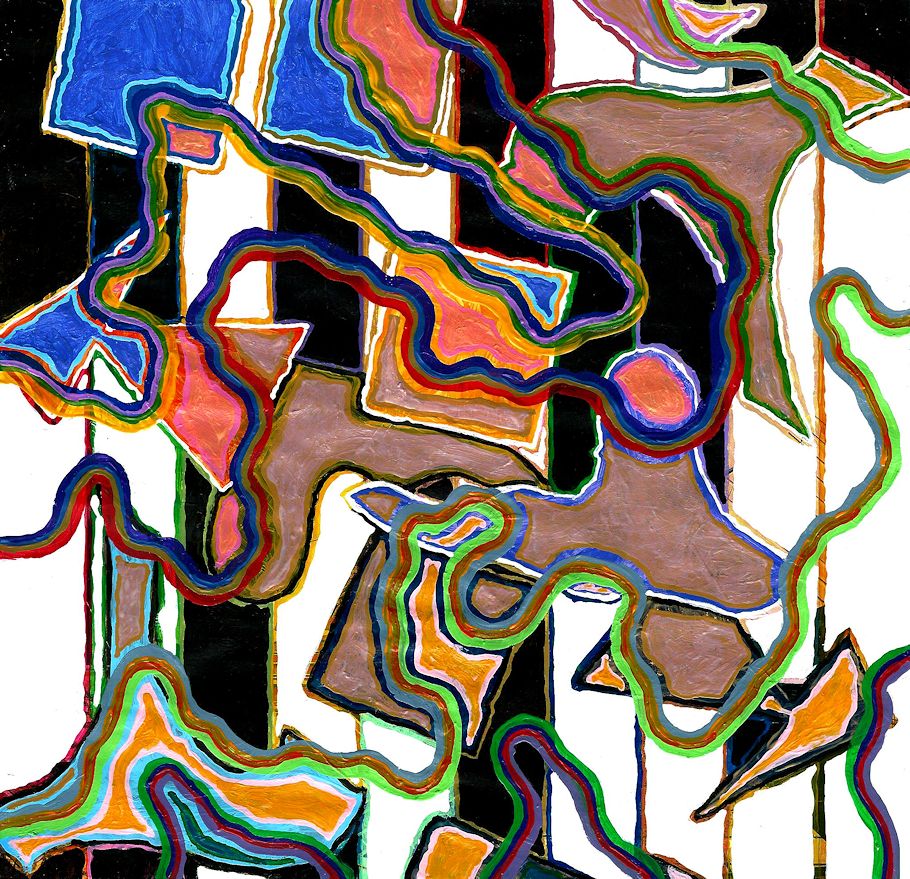
a work within This One's for George
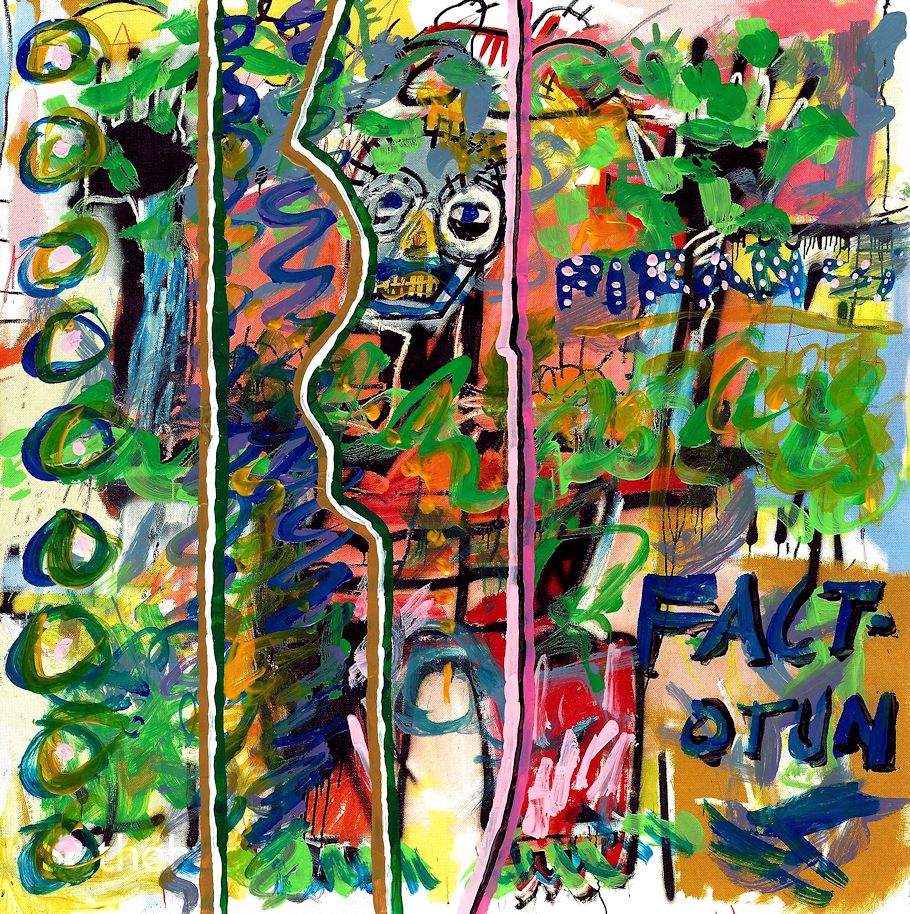
a work within This One's for George
451 Rhawn Gallery
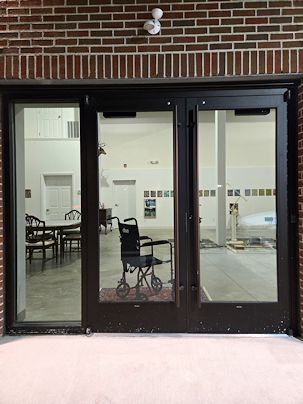 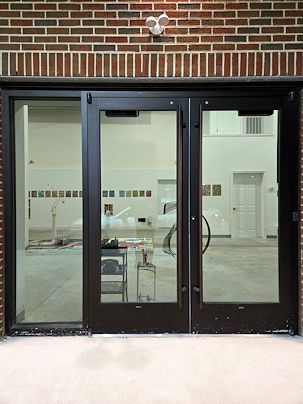 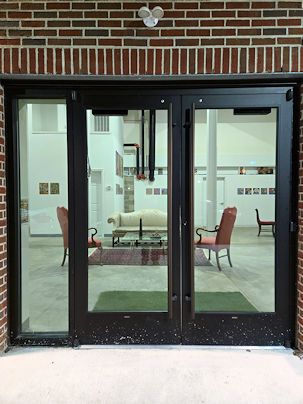
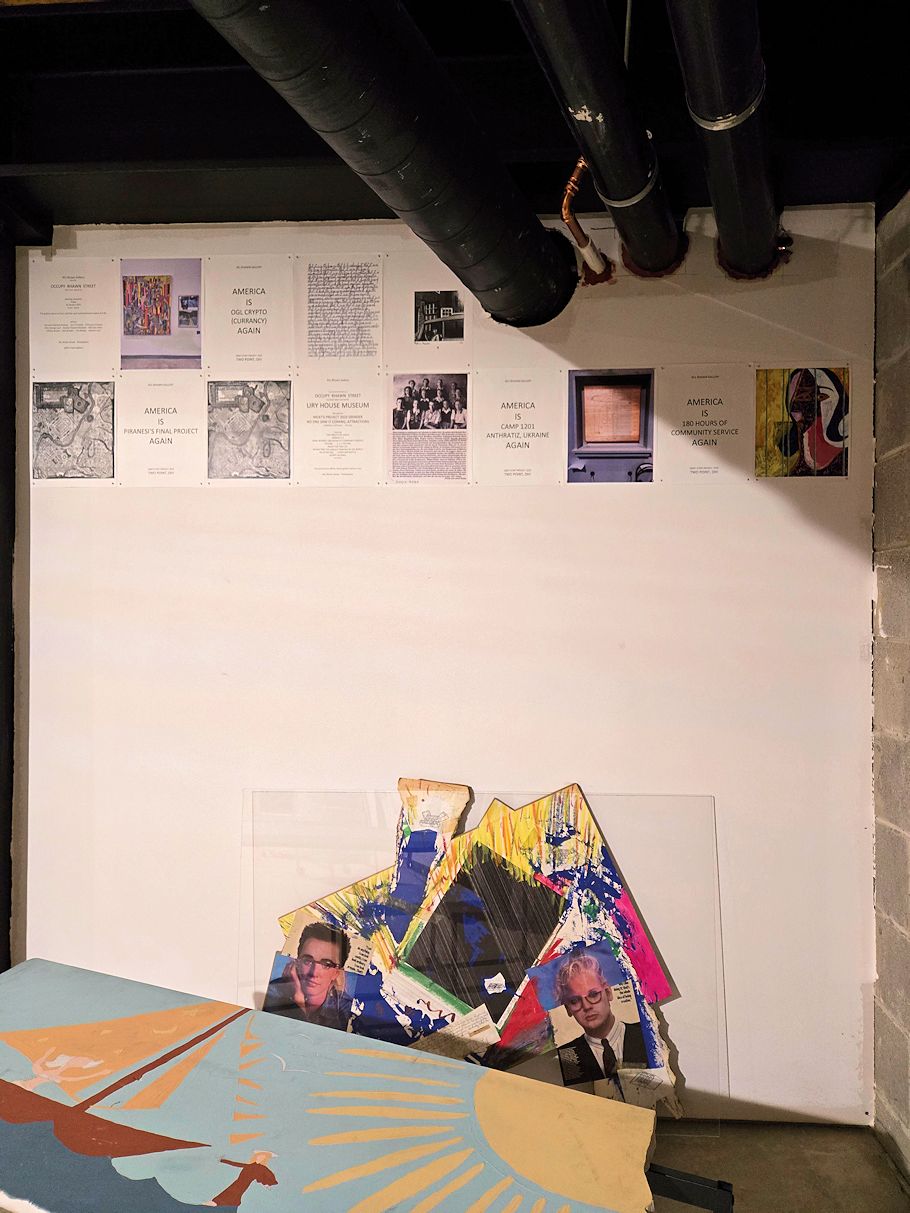
2022.04.17

[At least I did something today.]
2017.04.17

zero two two
2005.04.17
18 April gossip that matters?
the real gossip, however...
Constantine is Helena's second child, although the first and only with Constantius. Yes, Maximian and Helena were together beforehand, with a daughter, Theodora, as the result. In typical fashion, Maximian wanted more, i.e., a son, so he looked for another mate, while Helena and Constantius soon got together. Fortunately, Eutropia and Theodora bonded well, and the "secret" was mostly forgotten except by the inner few adults. Twenty years later the "secret" became even more secret as Constantius married Theodora, but it did ultimately matter that all Constantius' children were closely related to Helena, which also kind of explains why Crispus "got the short end of the stick." Alas, poor Fausta, it was her learning of the secret(s) that led to her suicide.
So who was Maxentius' real father?
Eutropia now says it's Diocletian, but that laugh while she says it still makes you wonder.
2003.04.17

The Curatorium and the adjacant Living in the Dining Room
2001.04.17
Re: decency
I actually have some experience when it comes to having one's art deemed offensive. In 1984 I participated within an architectural alumni exhibit at Temple University. This exhibit was run active alumni themselves, and I was part of this group, so there was no worry about what (of mine) would be allowed for exhibit. Rather than exhibit 'architecture' I displayed artwork, mostly collages, but other items as well, like I Can't Stand the Sight of Blood. One of the collages was entitled The Stone and the Flesh (24x36) and its background comprised two full double pages from a Life magazine of the early 1970s. The 'main' full page images were of Michelangelo's Pieta after it had been ravaged with hammer by Laszlo Toth. Remarkably, when I unstapled the Life magazine the image printed on the same (double page) paper was a black and white photograph of a Japanese mother holding her young daughter dying of mercury poisoning. It wasn't right away, but soon I realized that both the Pieta and the Japanese mother and daughter uncannily were the same exact pose and the same exact situation! Whether Life magazine's editors were aware of this incredible juxtaposition of imagery is probably never to be known, however the (abstrusa) coincidence remains nonetheless quite amazing. This juxtaposition of "stone" and "flesh" then made me realize that imagery itself can never be as important as what actually happens to people, therefore I further 'vandalized' the Pieta image and even did some 'damage' to the Japanese image, etc.

My display was a cautious hit, although a week or two after the opening, the chairman of the architecture department told me that a student complained and requested my work be removed because it was offensive to his Roman Catholic faith. The chairman saw no offense himself, so the work remained hanging. I should add that another (24x36) collage contained the famous Calvin Klein men's underwear advertisement turned into Jesus Christ with the wounds of the Crucifixion painted on--this work, entitled Modern Oblivion, is a direct reference to Leo Steinberg's The Sexuality of Christ in Renaissance Art and in Modern Oblivion.
I actually met the student that was offended by my work. I told him I too was a Roman Catholic, and that I was sorrow my work offended him. I also thought to myself that there are then no doubt other people that would be offended by my work, yet the reality that my work is only imagery gave me a confidence that I did no 'real' (i.e., physical) harm. If I follow my line of thinking further, I'd say that I also did no physical harm to Jesus, Mary, the Japanese mother and daughter, Michelangelo, the photographer of the Japanese fatality, Bruce Weber (the photographer of the Calvin Klein ad), or the model of the underwear. To me it was all just pictures, and pictures, moreover, that were reproduced thousands and thousands (if not millions) of times. The images themselves were surely no longer sacred, nor unique [reference W. Benjamin].
Since I had no intention to offend, I did not feel guilty of hence having offended. My intention was to create art that was about the power of imagery and how imagery power pales when compared with reality. [Today, I'd say that The Stone and the Flesh and Modern Oblivion (and I Can't Stand the Sight of Blood) are examples of my better metabolic artworks.]
1999.04.17
the making of Museumpeace
   
1984.04.17
2 = odd, Dick

detail
1965.04.17
1965. Saturday, New York City
Marcel tells Richard Hamilton, who is starting to assemble a major Duchamp exhibition for the Tate Gallery, that Arne Ekstrom will be answering the main points in his letter. However, in Philadelphia recently, Marcel saw Dr Evan Turner who has not yet heard from the Tate.
Ephemerides
1961.04.17
1961. Monday, New York City
In reply to Henri Marceau who has asked if it would amuse him to visit the Philadelphia Museum of Art when the Arensberg-Gallatin pictures are returned from the Guggenheim [6.2.1961] and give him the benefit of his advise about any changes in the hanging, Duchamp writes: "I am very flattered and accept with pleasure," and proposes sometime during the week commencing 1 May.
Ephemerides
|