Hence, a new addition to The [forever In]complete Works of Marcel Duchamp . . . Duchamp's meticulously once-preformed yet failed seria and/or buffa opera: There's a fat lady, but not a note to be heard.
Later in the afternoon, picked up Judovitz's Drawing on Art: Duchamp and Company (2010) and Kosinski's Dialogues: Duchamp, Cornell, Johns, Rauschenberg (2005) at the Free Library of Philadelphia.
2020.11.25
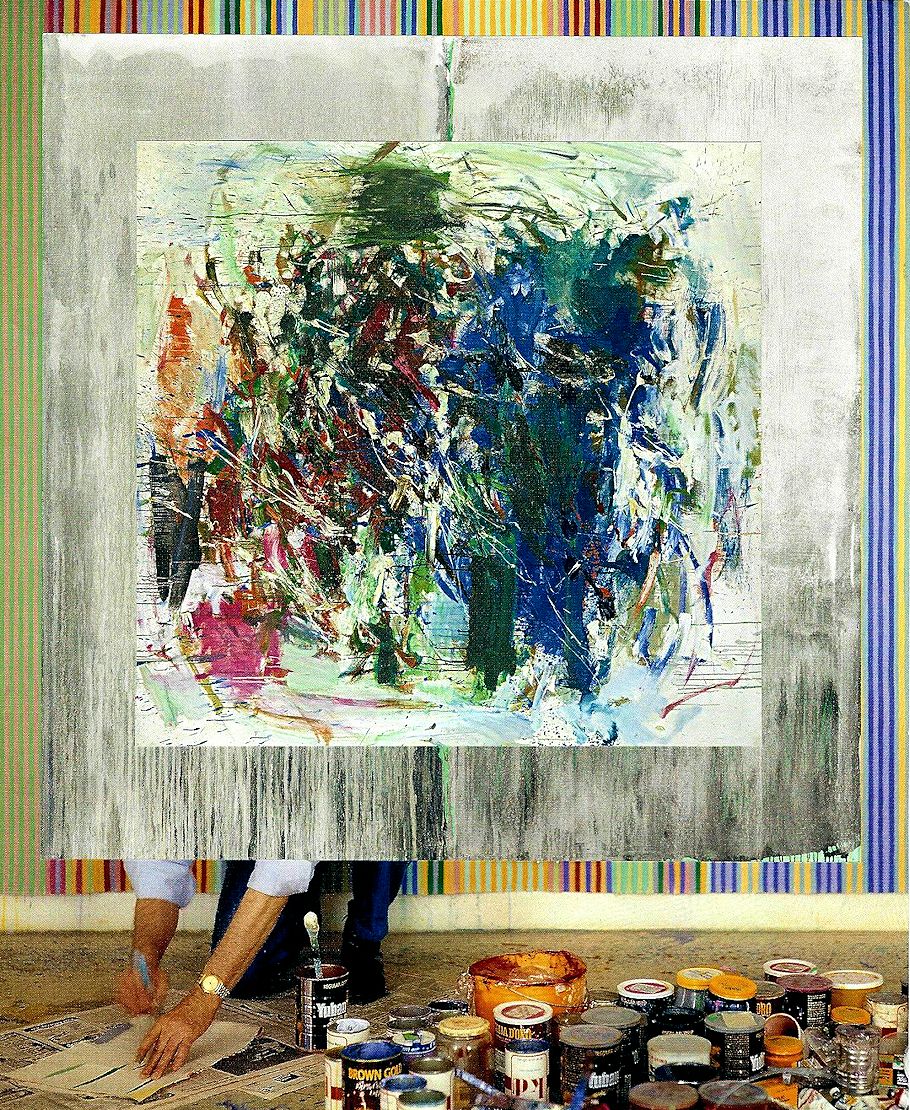 Crack Noise page 130
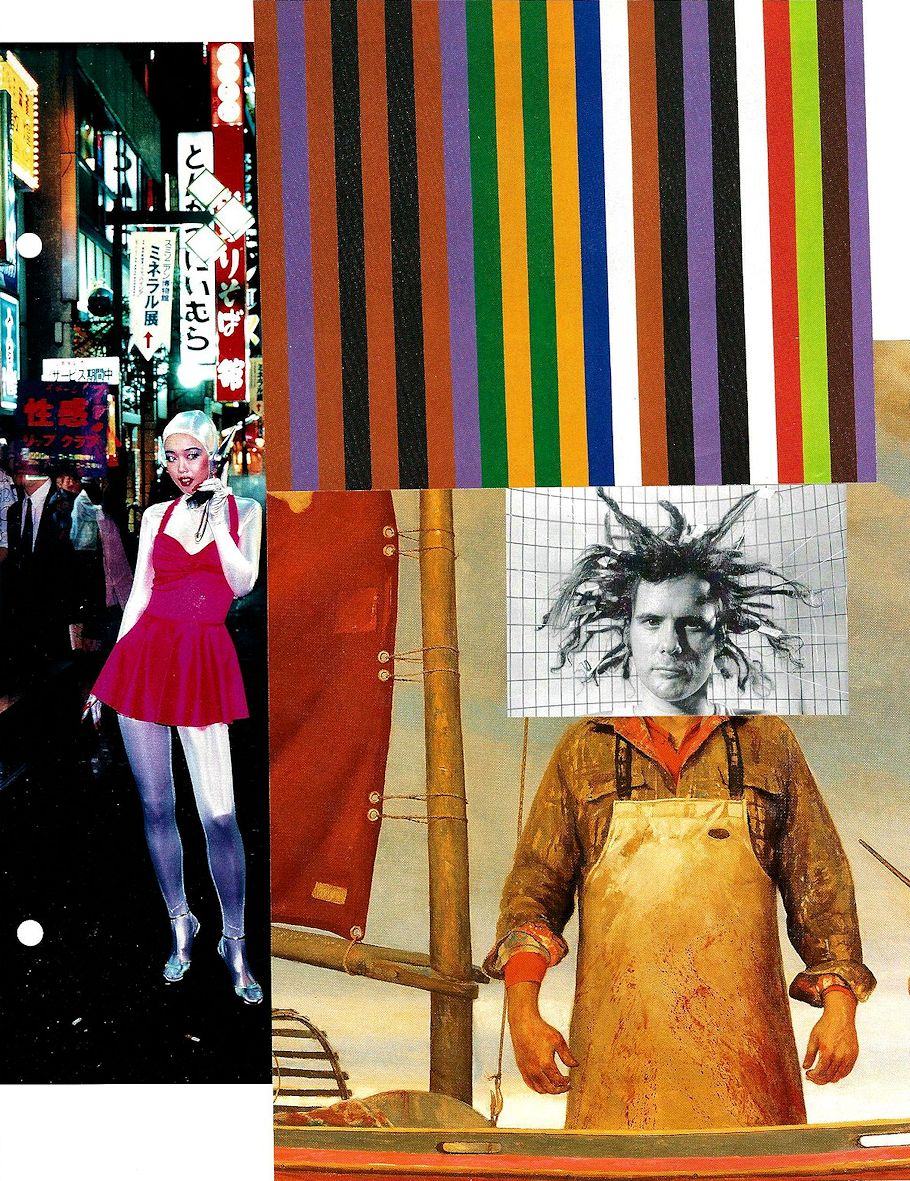 Crack Noise page 137
2018.11.25
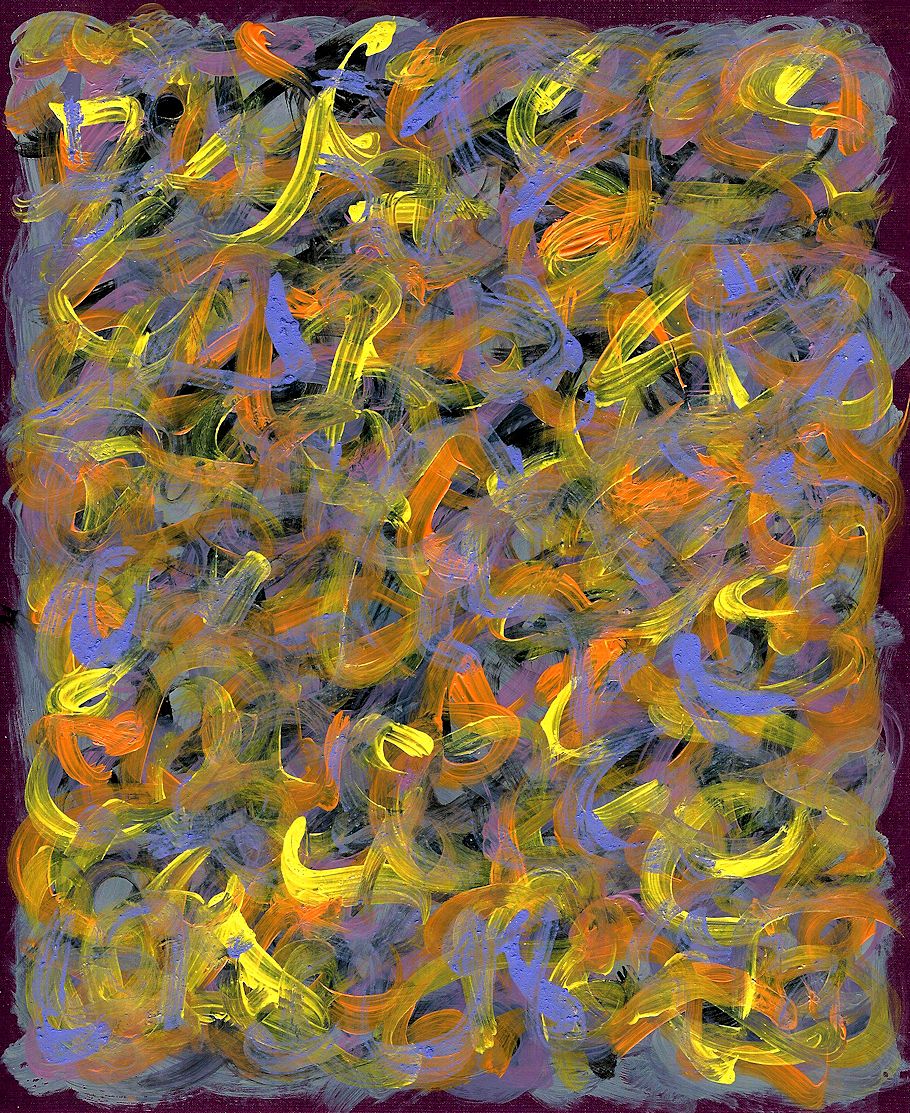 page painting 052
2009.11.25
I propose a ban
Render the proposed building with lots of people.
Photograph the executed building with no one present.
Funny that.
2004.11.25
Re: Deconstruction? no, afterlife
papers of LEAVING OBSCURITY BEHIND:
Reenactionary Bilocating Architecturism
Saint Catherine de Ricci and Louis I. Kahn
Nudist Camp at the Philadelphia Museum of Art
Marcel Duchamp and C. Paul Jennewein
Learning From Lacunae
Gordon Matta-Clark
De Spectaculis II
Quintus Septimus Florens Tertullianus and John the Baptist Piranesi
The Promenade Architecturale Formula
Le Corbusier
The Marriage of Twisted and Columns
Eutropia and Pieter Pauwel Rubens
Pilgrimage, Reenactment and Tourism
Flavia Julia Helena Augusta
Here a Versailles, There a Versailles, Everywhere a Versailles Sigh
Marie Antoinette, Ludwig II, and Lucretia "Eva" Bishop Roberts Cromwell Stotesbury Dougherty
and maybe
De Spectaculis III
Guy Debord
2002.11.25
Re: Barnett Newman
There is also the notion [within the theory of chronosomatics] that the operations of the mind, i.e. imagination, reenact the (physiological) operations of the body. For example, there is a fertile imagination, an assimilating imagination, a metabolic (creative/destructive) imagination, an electro-magnetic imagination, etc. According to the chronosomatic gauge, humanity in our time operates mostly via a combination of an assimilating and metabolic imagination.
Re: Matthew Barney
Perhaps the real rule of art is to in fact reference your sources. Hiding your sources only seeks to perpetuate the notion of undiluted artistic originality, which is all a myth to begin with, and a myth, moreover, that the art establishment (galleries, critics, universities, et al) charges dearly for inoculation thereof.
Obscuranti of Olney
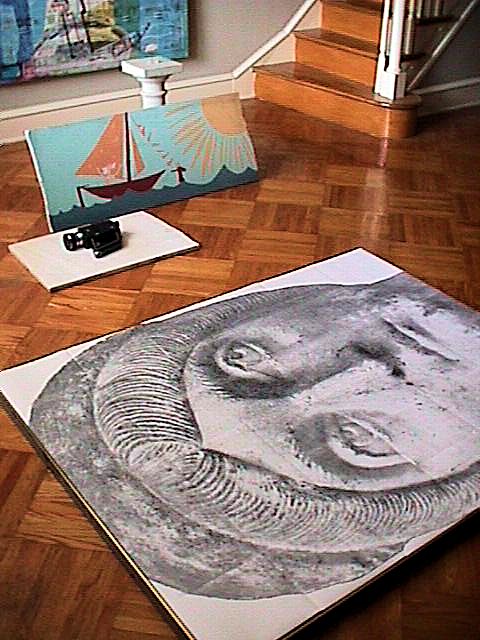
remains of Whitemarsh Hall
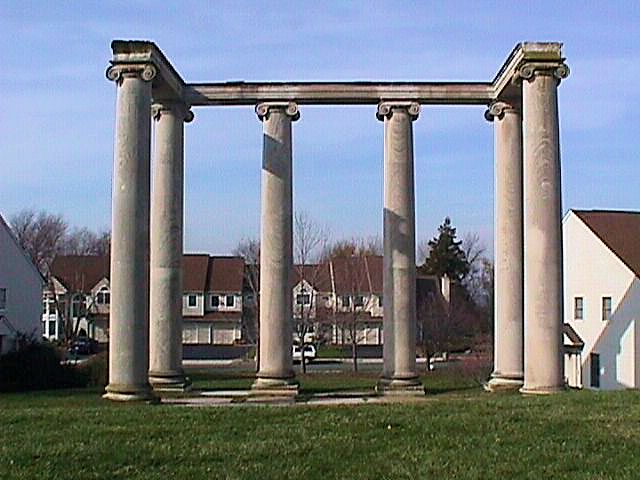 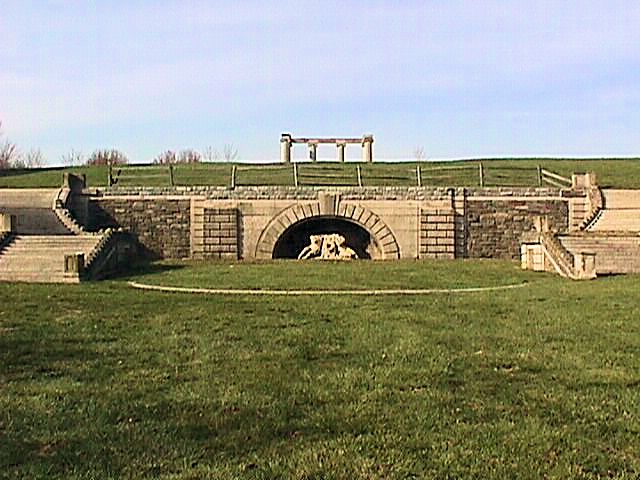 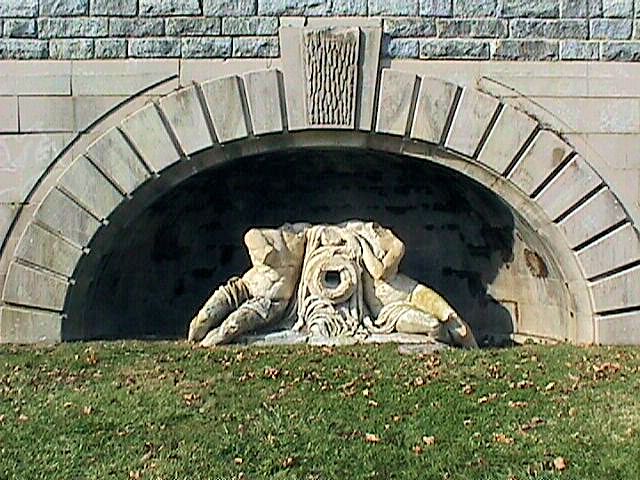
1994.11.25
century by century organ list for the 3rd millennium
With regard to the next millennium and the circle/square juncture about 200 years from now, ...a century by century list of the organs the present will pass through over the next 1200 years (until the heart).
2000 AD Colon transversum, bottom tip of liver and stomach, duodenum, both kidneys, bottom of pancreas, bottom tip of 2nd and 3rd lower ribs, top of second vertebra below the rib cage.
2100 AD Colon transversum, stomach, liver, duodenum, both kidneys, pancreas, more of the lower rib cage, bottom of first vertebra below the rib cage.
2200 AD Colon transversum (greatly reduced), stomach, liver, gall bladder, both kidneys, duodenum, pancreas, more lower rib cage tips, top of the first vertebra below rib cage, outer edge of diaphragm.
2300 AD Colon trasversum (very top only on one side), stomach, liver, gall bladder, both kidneys, top (beginning) of duodenum, pancreas, a little more of diaphragm, rib cage (that starts to join up in the front), bottom of first vertebra to sprout lowest rib bone, spleen.
2400 AD (No more colon transversum), stomach, liver, omentium minus, liver, l. falciforme hepatis, gall bladder, very top tip of duodenum, both kidneys, pancreas, diaphragm, rib cage and spinal column, spleen.
2500 AD Stomach, liver, ometium minus, one kidney, pancreas, spleen, diaphragm, ribs and spinal column, no more duodenum (small intestine).
2600 AD Stomach, liver, diaphragm, omentium minus, (no more kidney), spleen, glandula suprarenalis, rib cage (probably getting close to point of closure in the front) and spinal column.
2700 AD Stomach, liver, diaphragm, lungs, spleen, rib cage and spinal column.
2800 AD Stomach, liver, diaphragm, lings, esophagus, spleen, rib cage, rib cage and spinal column, (closure in front of rib cage).
2900 AD Very end of stomach, liver, diaphragm, lungs, esophagus, rib cage and spinal column.
3000 AD Very end of liver, diaphragm, lungs, very beginning of heart, rib cage and spinal column.
3100 AD (No more diaphragm), lungs, heart, rib cage and spinal column.
|